MPOG® (Exploration)
The MPOG® technology, used to explore for oil and gas reservoirs, has been developed 50 years ago by W. SCHWARZ und M. WAGNER.
MPOG® — Microbial Prospecting for Oil and Gas is a surface exploration technology based on detection of significant populations of specific, hydrocarbon-degrading microorganisms in shallow soil samples (1–2 m below surface). By application of sophisticated microbiological techniques total number and biochemical activity of various groups of methane‑, propane- and butane-oxidizing bacteria can reliably be determined. Positive geo-microbial signals highlight regions with considerably increased bacterial cell number and activity — so called microbial anomalies – which can only develop on basis of additional hydrocarbon supply from micro-seepages vertically above oil and gas bearing structures. Hence, the detection of such a microbial anomaly indicates a corresponding hydrocarbon signature in the deeper underground.
Application of MPOG® enables the reliable differentiation not only between hydrocarbon prospective and non-prospective areas but also between oil- and gas indications by identification of different groups of bacteria. Without an additional hydrocarbon supply from subsurface significant microbial populations cannot develop and merely background values will be recorded.
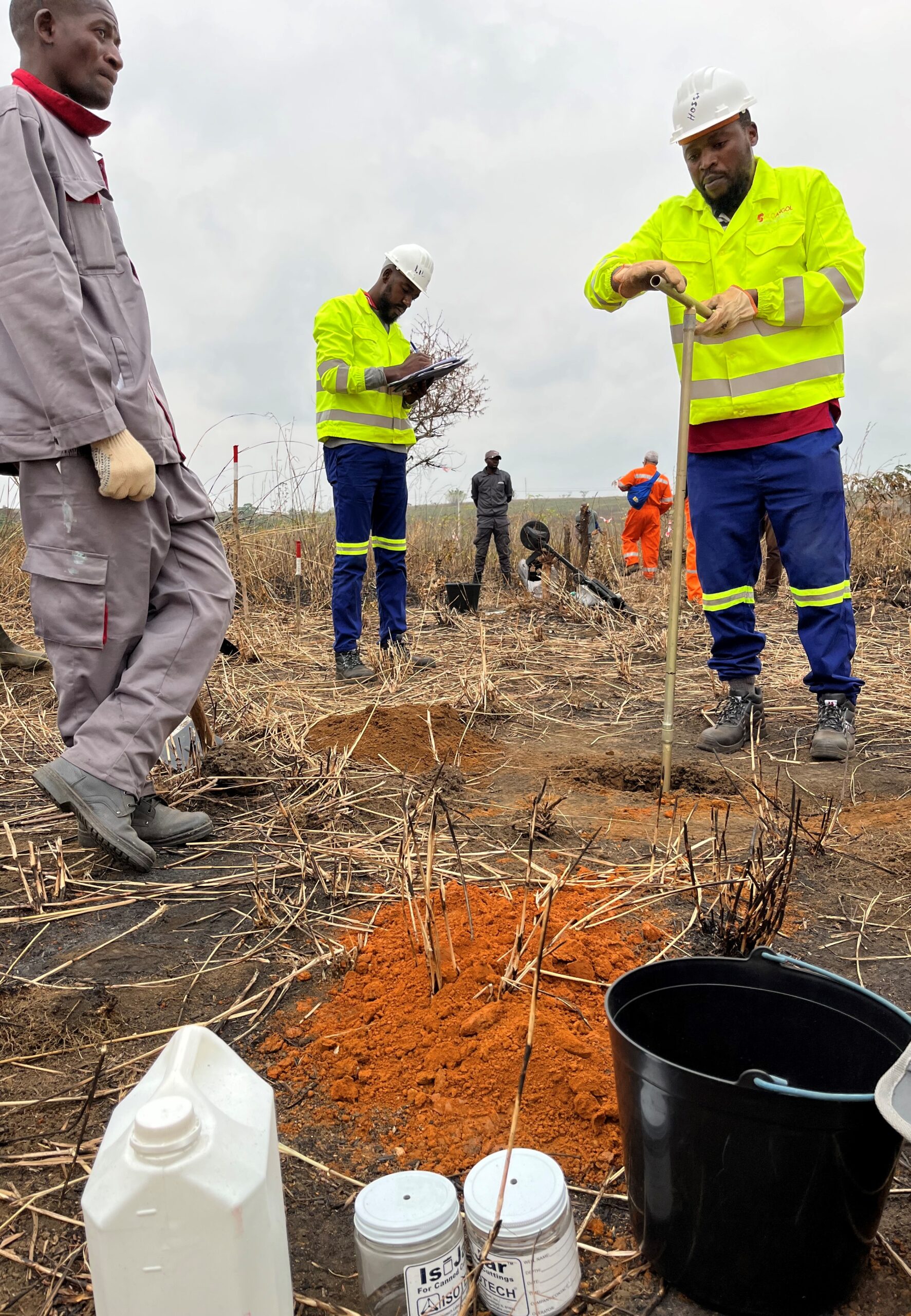
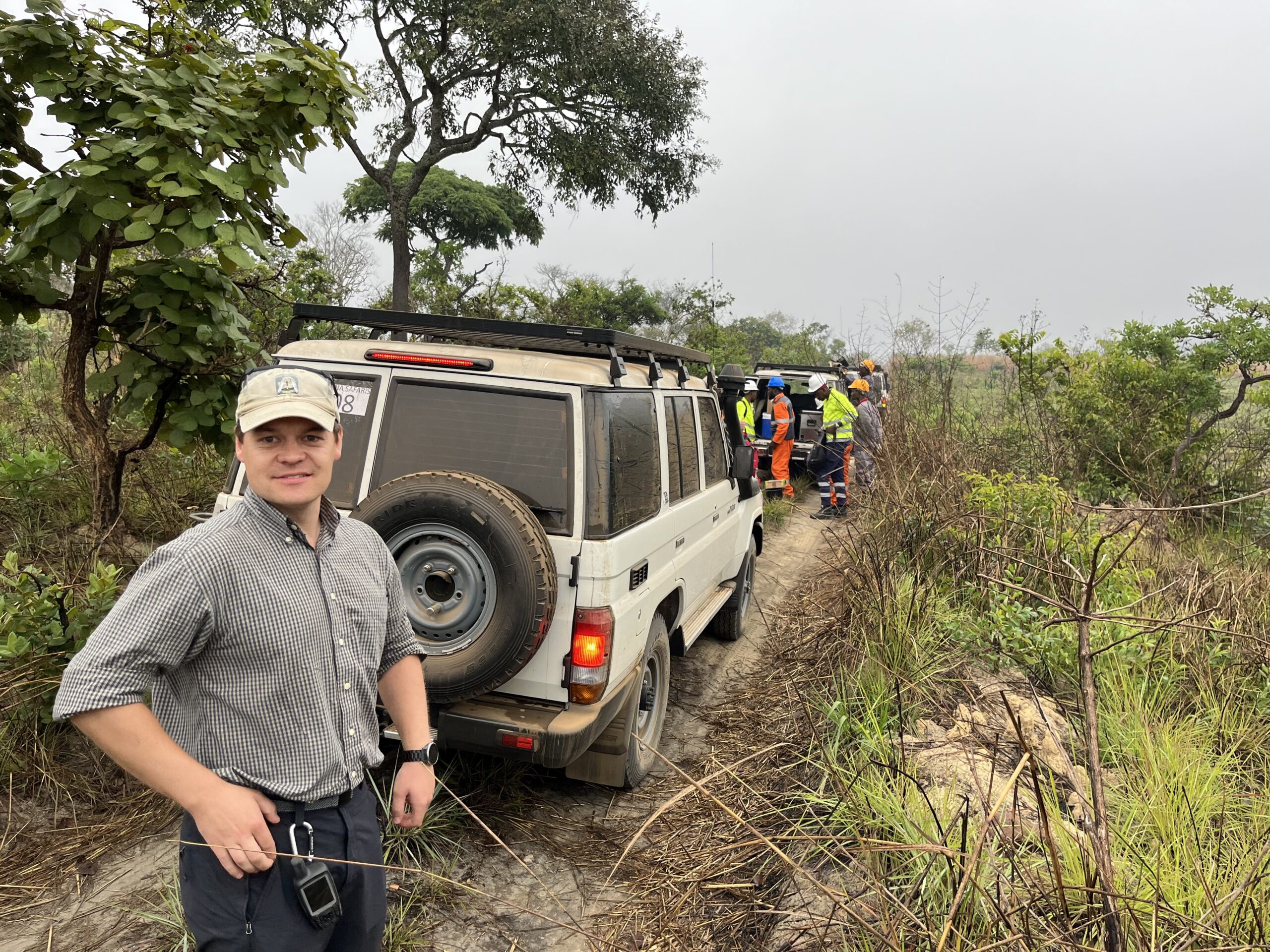
Microbial Prospecting for Oil and Gas (MPOG®) offers the following advantages:
- Reliable differentiation between hydrocarbon prospective and non-prospective areas
- Reliable, affordable and rapid results
- Information about the infill of structures (oil, gas)
- Cost-reduction for exploration by exclusion of non-prospecting areas
- Applicable in all regions, onshore and offshore
- Effective also in difficult terrain
- Reproducible results also on complex geological structures
- Repeated and complementary measurements possible (after 1 year)
- Fast, easy and environmentally-sound sampling technology
- Most efficient in combination with other exploration surveys (seismic acquisition)
- No “halo” effects
Method
Basis oft Microbial Prospecting for Oil and Gas
The basis of MPOG® is that oil or gas fields emit a continuous stream of light hydrocarbon gases to the earth’s surface known as macro- and micro-seepages.
In all shallow soil and sediment layers a variety of specialized micro-organisms (hydrocarbon oxidizing bacteria) exists, able to utilize extremely low concentrations of short-chain hydrocarbons (10-6 %vol/vol). Based on a continuous hydrocarbon supply active populations of hydrocarbon degrading bacteria can develop. This long term supply is almost exclusively found at micro-seepages above hydrocarbon bearing structures. Under these conditions detectable populations of bacteria develop with significantly increased cell numbers and a high biochemical activity.
For oil and gas exploration two well distinguishable groups of bacteria are relevant:
- Hydrocarbon oxidizing bacteria
- Methane oxidizing bacteria (Methylotrophic)
Due to high specialization of methane-oxidizing bacteria, the MPOG® method allows methane-oxidizers to be isolated from all other bacteria and biochemically analyzed. A significantly increased activity and cell number of methane oxidizing bacteria represents an indication for methane occurrence in soil samples.
Another biochemical group of microorganisms uses short-chained hydrocarbons (C2 — C8) as energy source. These micro-organisms are not able to metabolize methane. Short alkanes namely ethane, propane and butane can be utilized by a large variety of bacteria. Detection of active bacteria which oxidize n‑alkanes with chain lengths of 2 to 8 carbon atoms without any adaptation period indicates the existence of oil signatures in the area investigated.
On the basis of a complex microbiological test scheme to determine bacterial count and biochemical activity of specific bacteria, an oil and gas indication factor will be recorded for each soil or sediment sample. Maps with identified microbial hydrocarbon anomalies show position and extent of hydrocarbon indications.
The higher the calculated measure units (cell numbers and activity), the more intense the hydrocarbon supplies to bacteria and the greater the probability of finding hydrocarbon accumulations at these positions.
MPOG® data can easily be integrated into existing exploration data sets (e.g. seismic) or used for pre-selection of particularly interesting areas for subsequent, cost-intensive exploration techniques (wild-cat exploration).griert werden oder zur Vorauswahl besonders interessanter Flächen für nachfolgende, kostenintensivere Verfahren genutzt werden (Wild-cat exploration).
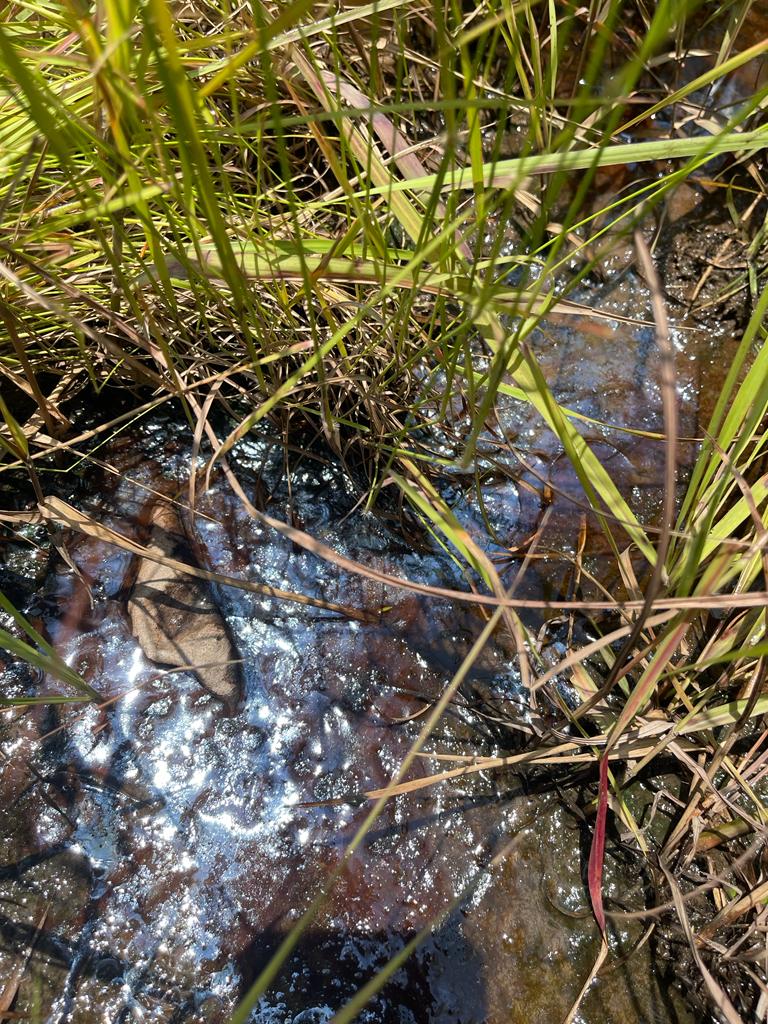
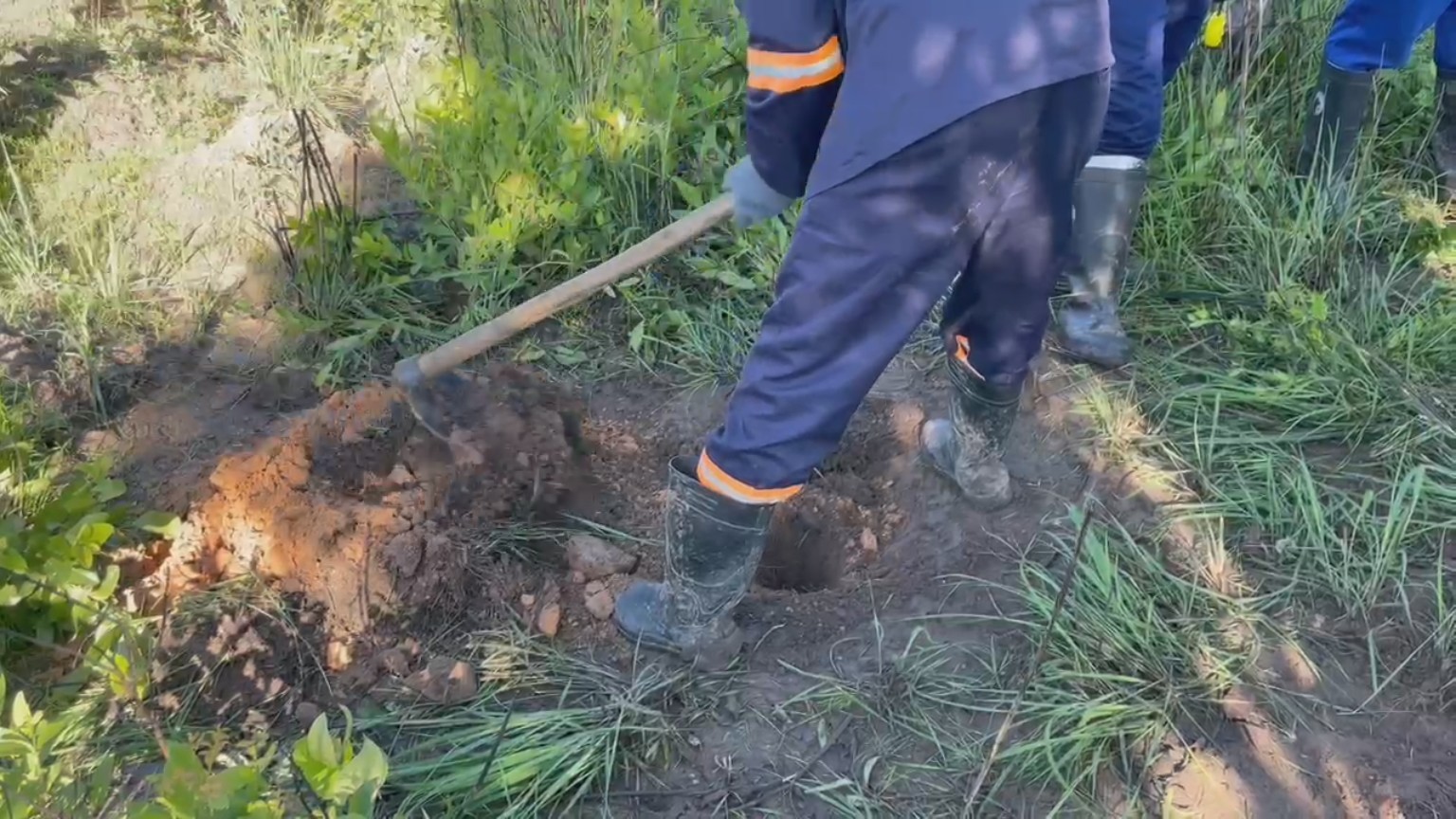
Application
Application of Microbial Prospecting for Oil and Gas
Basically no geological or seismic data is required to carry out a geo-microbial exploration survey. In areas which have not yet been investigated by geophysics, the MPOG® technique can be applied as a wild-cat exploration tool, in order to identify hydrocarbon signatures in green field areas. In this way subsequent geological and seismic investigations can thus be focused on hydrocarbon-prospective areas. Measurement points are laid over the area to be investigated in the form of a map grid. The stationary interval is from 500 m to a maximum of 2,000 m depending on the expected reservoir size.
In those regions where structure data of the sub-surface already exists, the stationary interval can be reduced to 250 — 500 m, in order to generate a more detailed picture of the hydrocarbon distribution. Likewise, this approach does not require any knowledge of the position of geologic structures. As a result therefore, the seismic structure maps and microbial anomalies, which have been recorded independently from one another, can be compared and contrasted.
A further application of microbial prospecting is reservoir characterization. In this case the distance between two measuring points should not exceed 200 m. The area of investigation is restricted to an already known structure. This method is particularly suited for evaluation of the reservoir dimensions and alterations of the oil-water contact due to long-term oil production processes.Additional applications of MPOG® are frequent measurements within a safety monitoring program at underground gas storages or along pipelines.
Sampling procedure
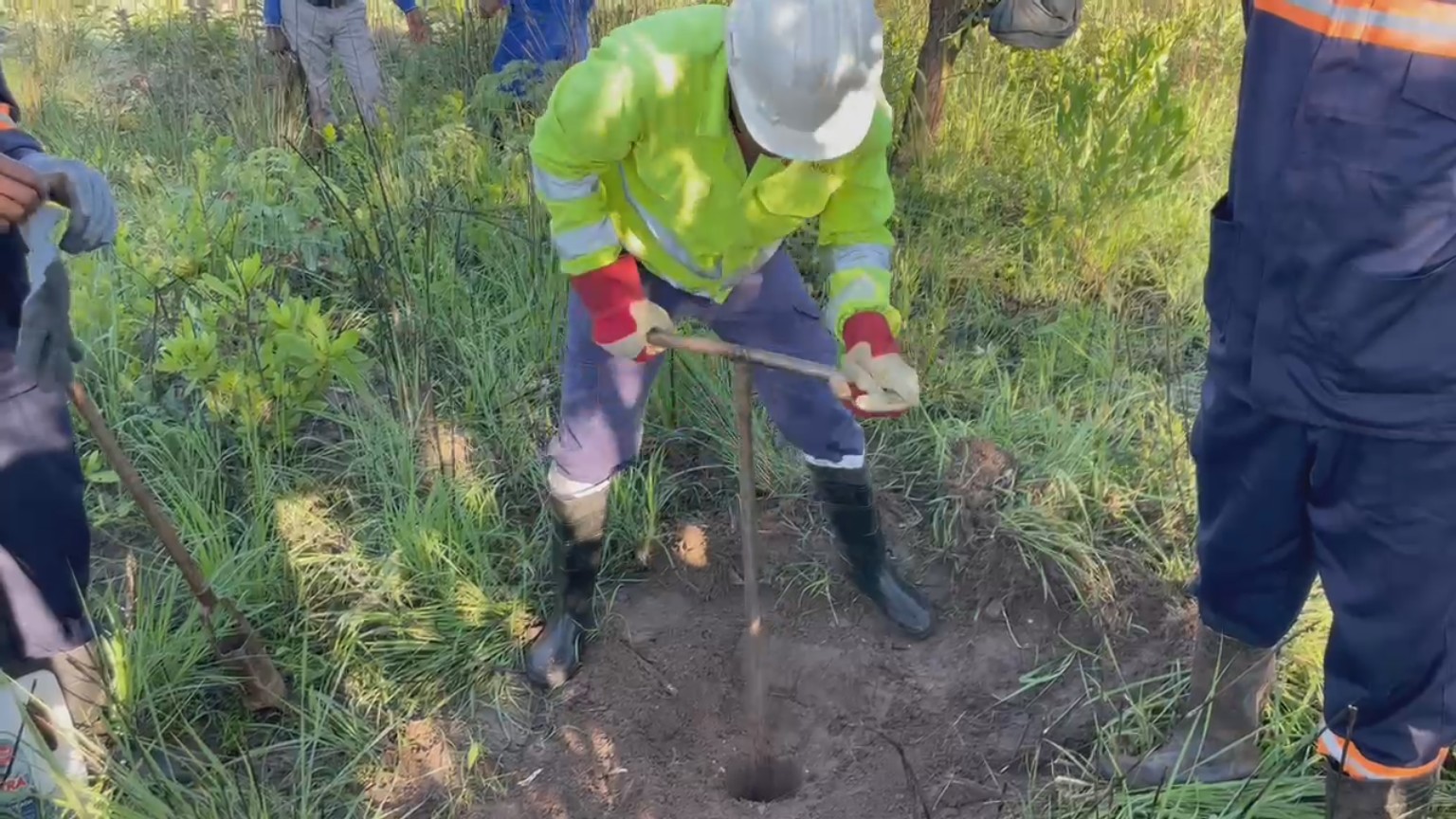
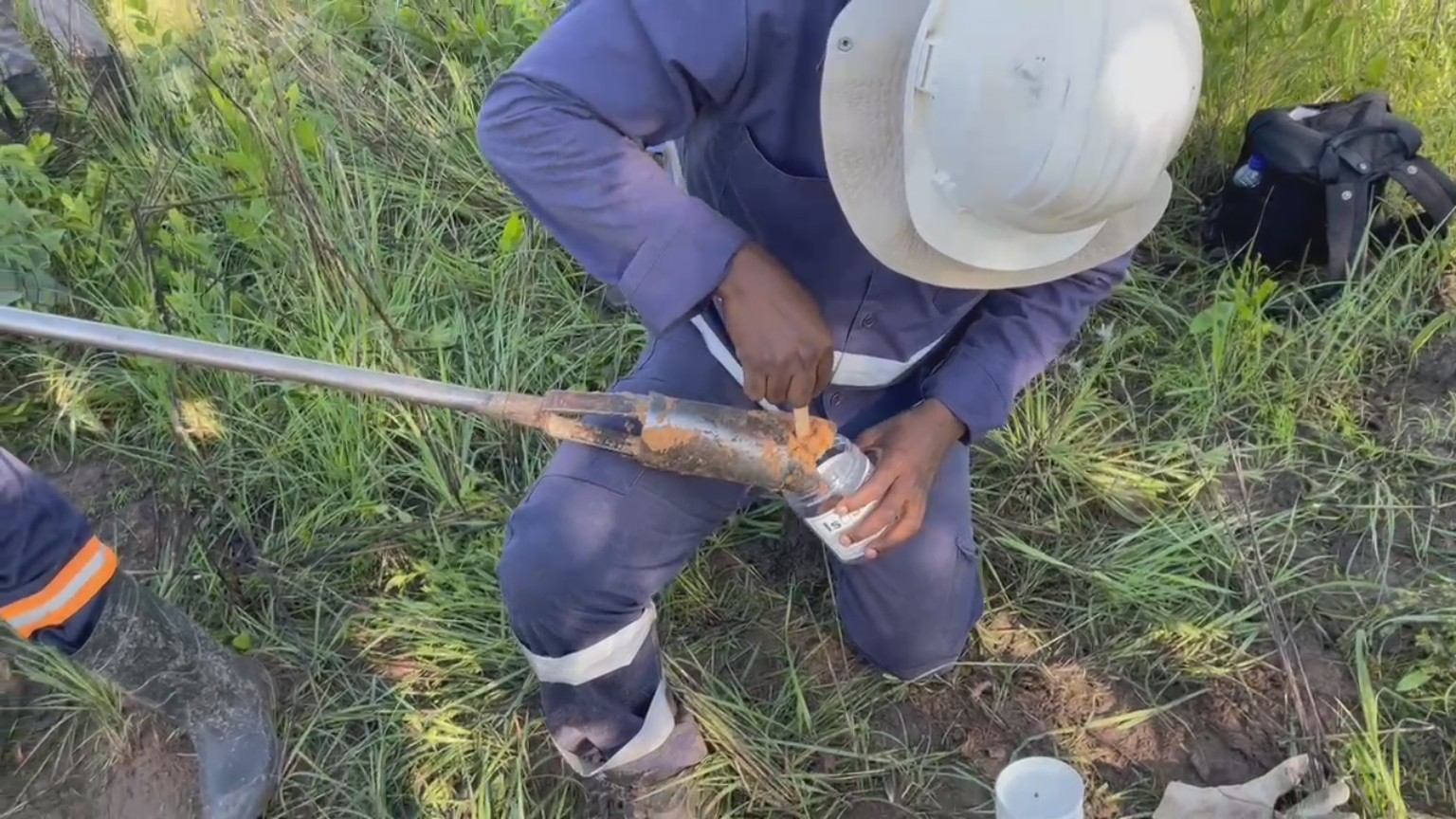
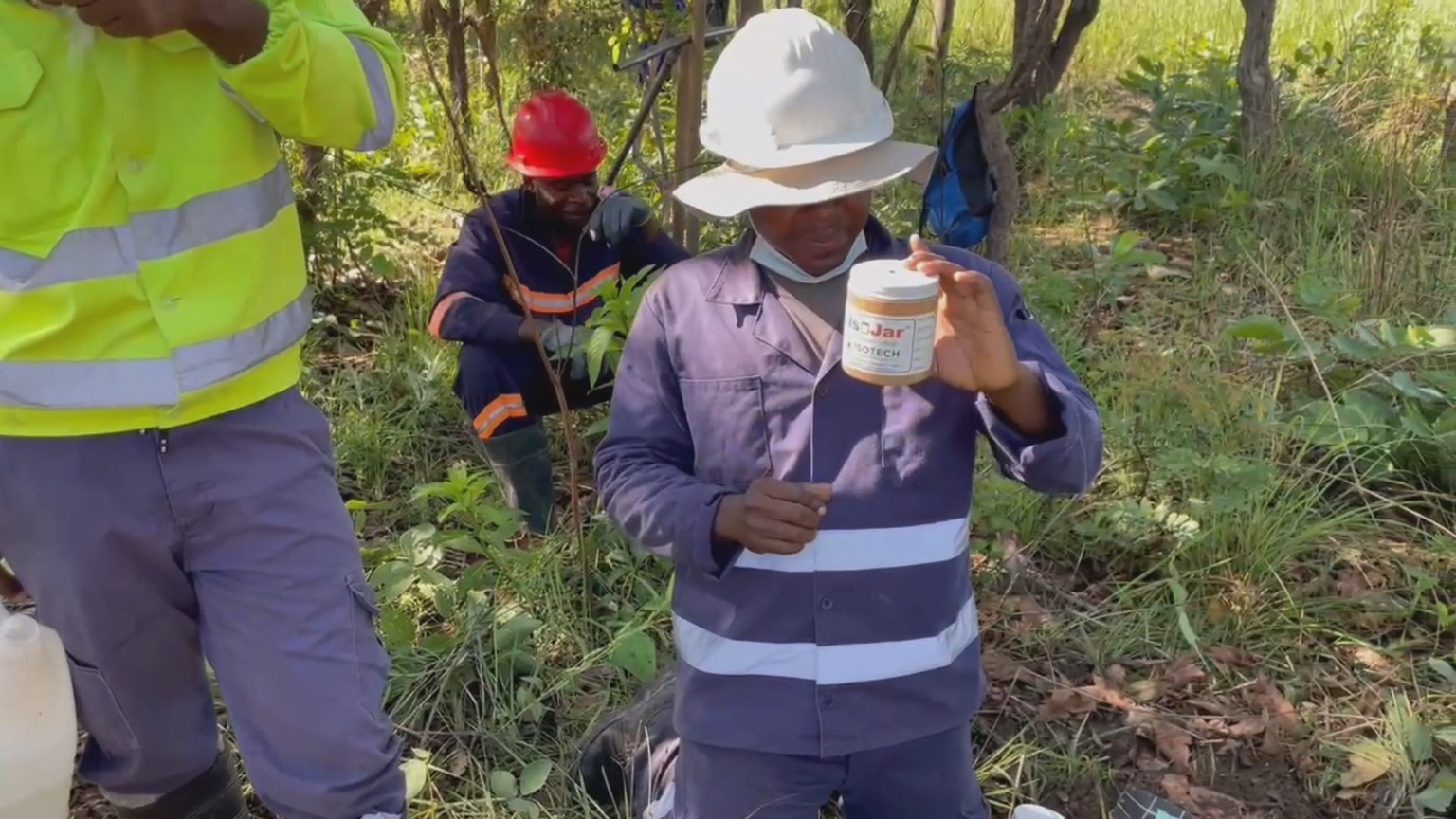
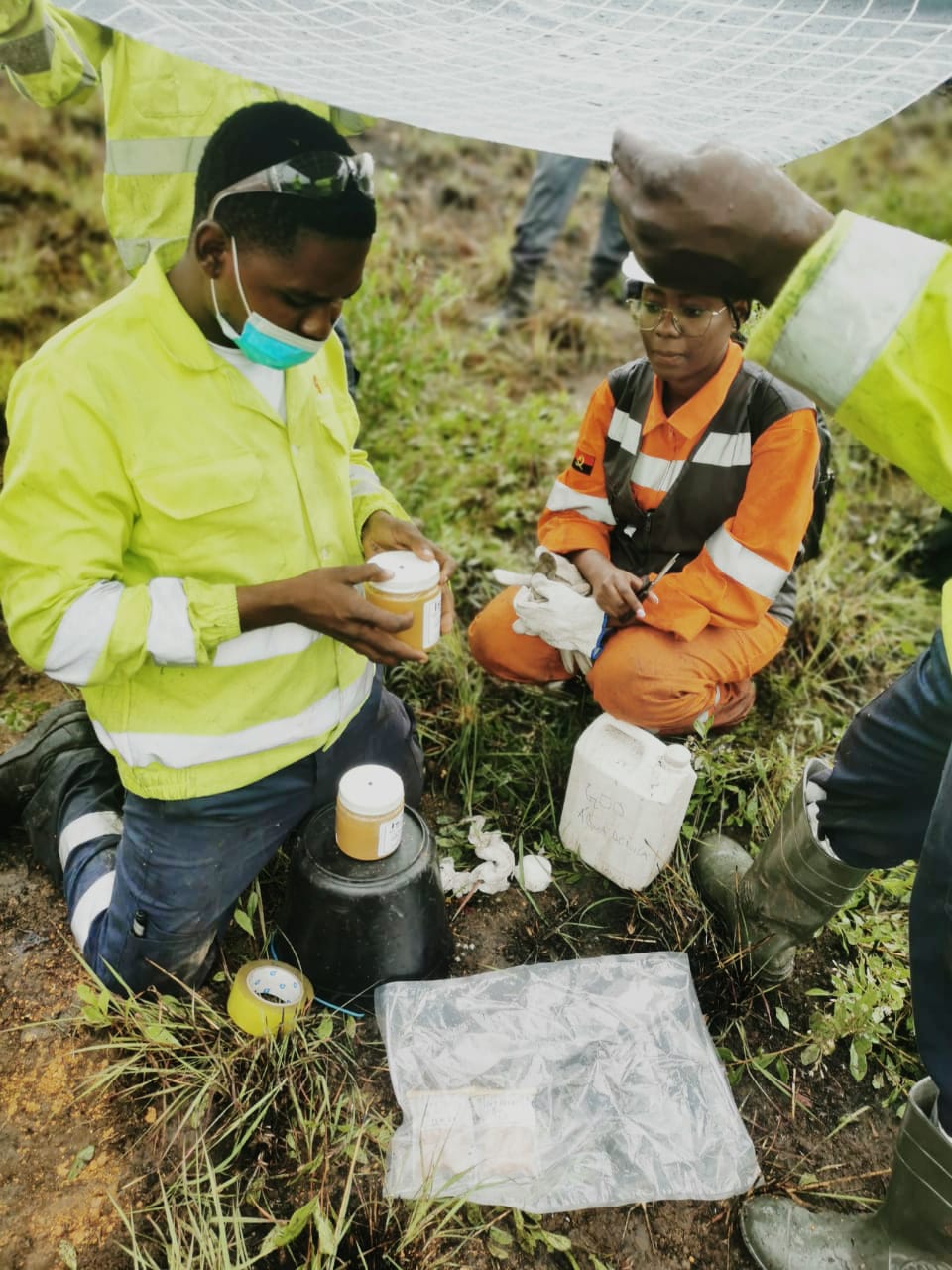
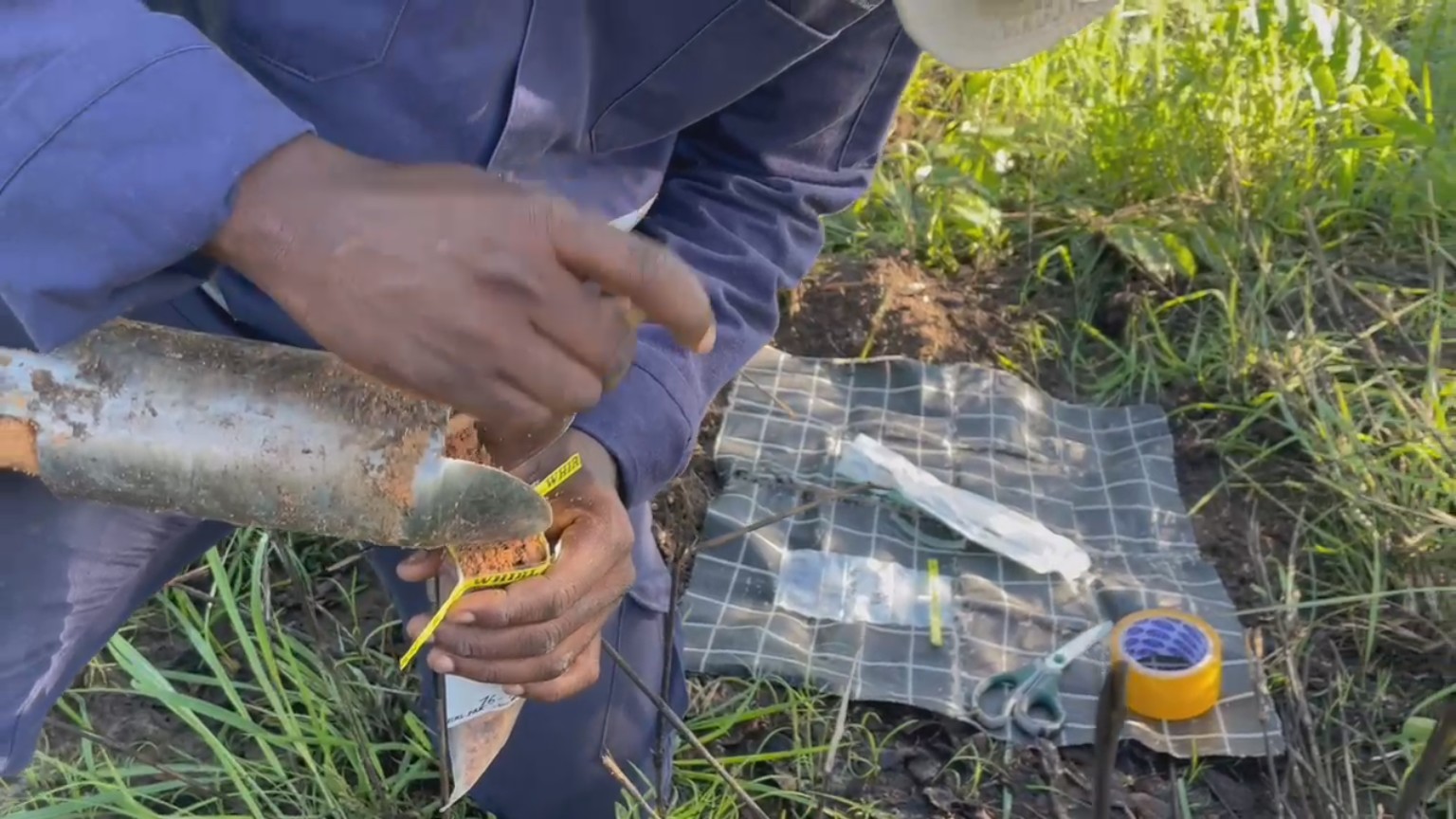
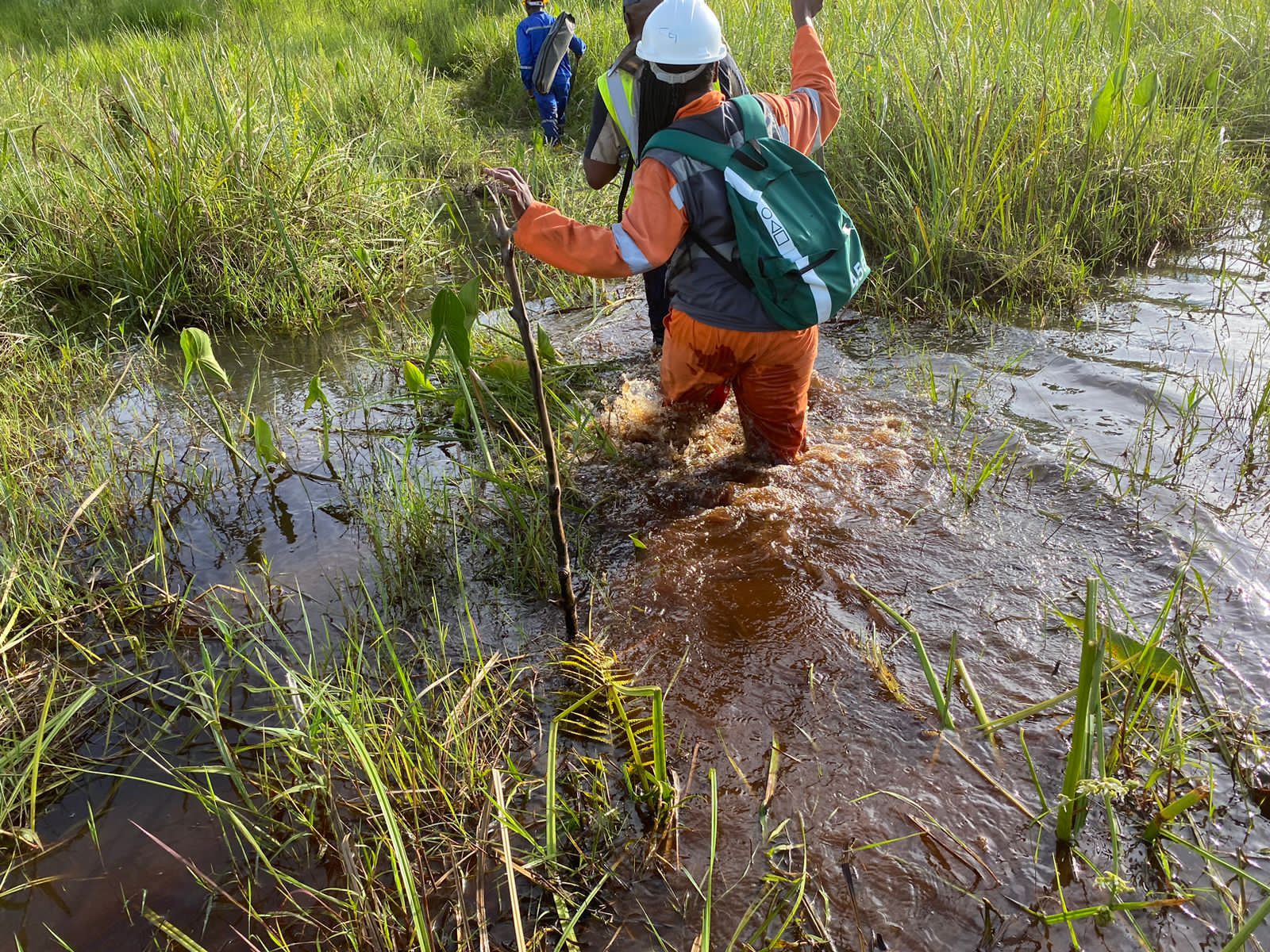
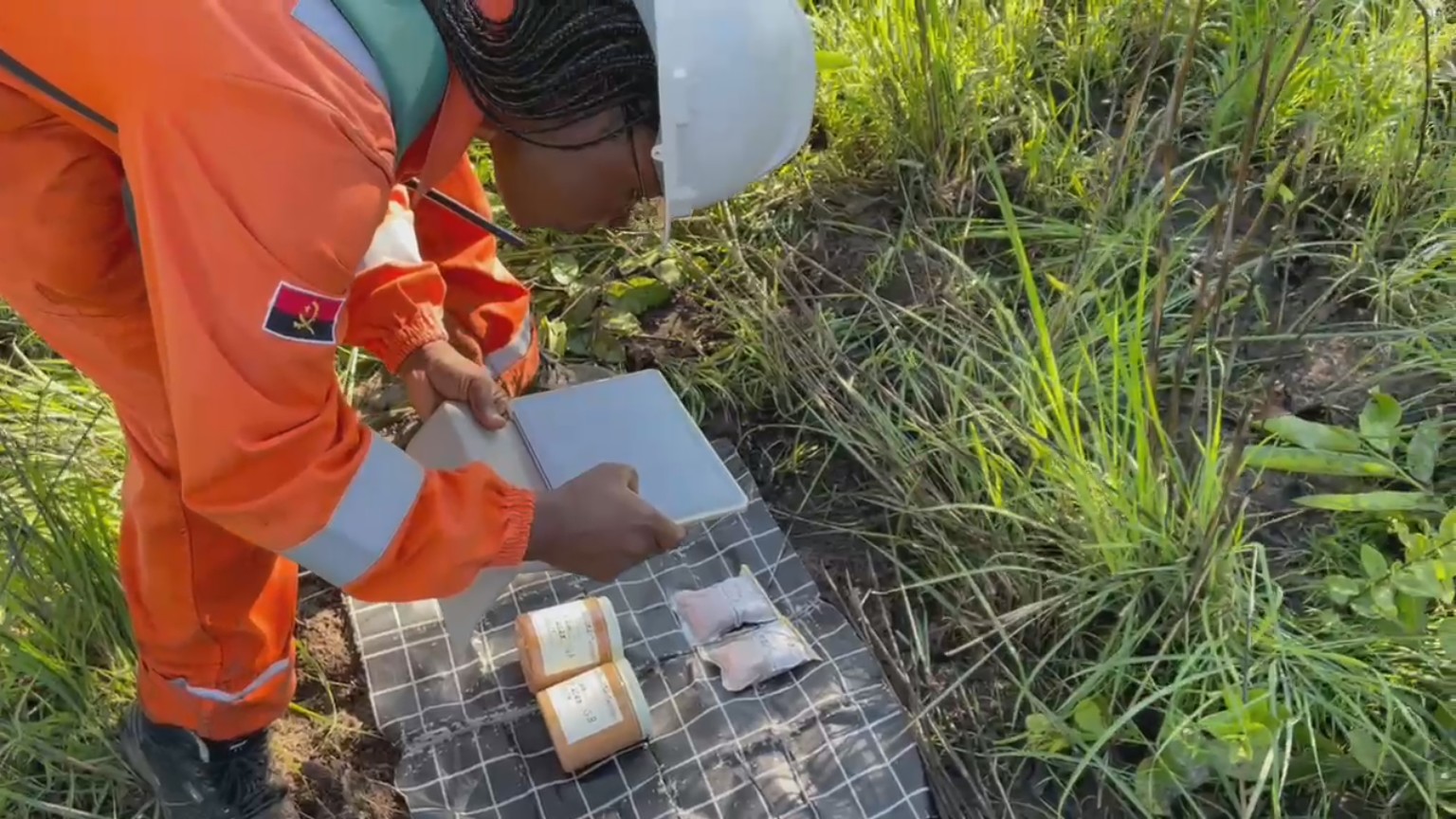
Onshore, soil samples are taken in the field at pre-defined positions using an environmentally friendly hand auger set at a depth of 1 — 2 m. At each measurement point about 200 g of soil shall be packed in airtight sterile sampling bags. A temporarily storage at 4 — 10°C and transportation to the laboratory should not exceed a period of 14 days.
Offshore, seabed core samples are taken by means of a vibro-coring system or grab-sampler approx. 0.5 — 2 m below sediment surface. Sampling material for MPOG® analyses can easily be sub-sampled from cores on board a vessel.
Case histories
Microbial Prospecting for Oil and Gas – case histories
The following case studies compare and contrast results of geo-microbial surface prospecting (MPOG®) with seismic and geological data. At the time of microbiological investigation, the authors did not have knowledge of any of the data on geological structures of the investigation areas, apart from already existing wells. The case studies were selected on basis of their exemplary character and different geological setting.
The map on the right shows the positions of surveyed areas both onshore and offshore in Central Europe.
The following colors representing MPOG® data were used for the maps discussed here.
| Erdöl | Erdgas | Kategorie |
|---|---|---|
| Background | ||
| Inconclusive zone | ||
| anomaly B | ||
| anomaly A |
A division of recorded microbial activities into four levels is mainly based on investigations in regions with ecological conditions like in central Europe and the North Sea. Under extreme ecological conditions (e.g. in desert regions) the average of measured activities can decline. Nevertheless, a reliable identification of positive microbial anomalies is guaranteed because of decreased background level.
The background level, which is mainly of biogenic origin, does not indicate any significant fluctuations. The additional hydrocarbon supply from oil and gas fields (e.g. from depths of ca. 2,000 m), which is confirmed by isotope analyses (delta 13C1 = ‑30 to ‑40 (‰) PDB), causes significant microbial anomalies.
By separately identifying methane and hydrocarbon oxidizing bacteria, it is possible to differentiate between oil and gas reservoirs, and oil reservoirs with a gas cap. Oil fields without a free gas cap have either no or small methane indications, but do have significant oil indications. Oil fields with a free gas cap create measurable methane anomalies and increased oil indications. Gas fields in the North Sea, which contain beside methane also aliphatic hydrocarbons (ca. 15%) show oil indications as well as significant methane indications. The intensity of these oil indications however is normally below the indication level for oil fields.
MPOG — Publications
- Baum, M., M. Schmitt, M. Wagner, C. Westerlage (2008)
Geochemical and Microbiological Surface Investigation in Northern Germany Indicates Interesting Hydrocarbon Potential: Oil Gas European Magazine 1/2008; 10–14 - Trappe, H.; Wagner, M.; Bleschert, K.; Piske, J.: (2004)
Verknüpfung von mikrobieller Oberflächenprospektion mit seismischen Attributen am Beispiel einer osteuropäischen Öllagerstätte;Vortrag auf der Frühjahrstagung der DGMK, Celle, Germany - Wagner, M., et.al.: (2003)
MPOG- Microbial Prospection of Oil and Gas; Field Examples and their Geological Background, Lecture on the International Symposium “Recent Trends in surface geochemical Prospecting and Risk Reduction for hydrocarbon Exploration and Development”; Hyderabad, India - Wagner, M., M.Wagner, J. Piske, R. Smit (2002)
Case Histories of Microbial Prospection for Oil and Gas Onshore and Offshore in north-west Europe
AAPG-SEG Special Publication — Application of Surface Exploration Methods to Exploration, Field Development and Production, edited by D. Schumacher and L. Le-Schack - Wagner, M., M. Wagner, (1999)
Microbial Prospection for Oil and Gas — Case Histories on- and offshore:
Conference Ravenna, Italy, 2, 1061–1067. - Wagner, M., H.J. Rasch, J. Piske, and B. Ziran, (1998)
Mikrobielle Prospektion auf Erdöl und Erdgas in Ostdeutschland:
Geologisches Jahrbuch, 149, 287–301. - Wagner, M., M. Wagner, H.J. Rasch, J. Piske, and M. Baum, (1998)
MPOG — Microbial prospection for oil and gas. Field examples and their geological background:
Conference Cracov, Poland, AO-05, 118–121. - Baum, M.G., M. Wagner et.a. (1997)
Application of Surface Prospecting Methods in the Dutch North Sea
Petroleum Geoscience 3, 171–181 - Wagner, M. (1966)
Ergebnisse der mikrobiologischen Prospektion im Küstenbereich der Ostsee
In Vorträge des Internationalen Symposium „Erdölmikrobiologie“, Brno 1964 (Malek & Schwartz, Ed.), Akademie Verlag Berlin